
The Birth of a Culture (1970s – Early 1980s)
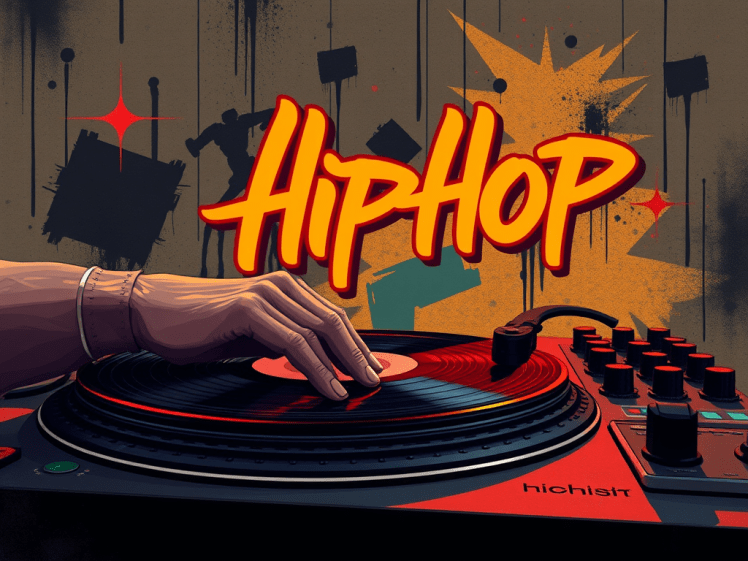
Hip-hop wasn’t just music—it was a movement. Hip-hop was born in the Bronx during the 1970s. Black and Latino youth created it as a form of expression. It was also a means of resistance and community building. DJ Kool Herc was one of the founding figures. He introduced the “breakbeat.” This technique extended instrumental sections of songs. It allowed dancers (b-boys and b-girls) to showcase their skills. Alongside DJs, MCs (masters of ceremonies) began rapping over beats, adding another layer to the culture. Hip-hop wasn’t just about the music. It consisted of four key elements: DJing, MCing (rapping), breakdancing, and graffiti. These elements embodied the energy of the streets.
By the early ‘80s, rap music was making waves beyond the Bronx. Acts like Grandmaster Flash & The Furious Five, Afrika Bambaataa, and The Sugarhill Gang helped bring rap into the mainstream. They solidified it as a powerful form of storytelling and artistic expression. But at this stage, rap was still an integral part of hip-hop—it wasn’t yet seen as something separate.

The Divergence: Rap vs. Hip-Hop (Late 1980s – 1990s)
As hip-hop evolved, so did the ways people categorized it. In the late ‘80s, styles began to split. One path stayed true to hip-hop’s roots. Another moved toward raw, street-centered narratives.
- East Coast Hip-Hop: The East Coast, where hip-hop was born, emphasized lyricism, DJ-driven beats, and conscious storytelling. Artists like Public Enemy, KRS-One, Eric B. & Rakim, and EPMD pushed messages of empowerment, activism, and urban life. By the ‘90s, this evolved into the “Boom-Bap” sound. Acts like Nas, Wu-Tang Clan, Gang Starr, and Mobb Deep championed this gritty style. It featured sample-heavy production that kept the focus on wordplay and storytelling.
- West Coast Rap & Gangsta Rap: Meanwhile, the West Coast was developing its own sound. This sound leaned more on funk influences. It also focused on street tales. N.W.A, Ice-T, MC Eiht, and DJ Quik popularized what became known as Gangsta Rap. This form of rap music depicted the realities of street life. It often addressed police brutality, gang culture, and systemic oppression. Unlike East Coast artists who were considered “hip-hop artists,” many West Coast pioneers were simply labeled “rappers.” This distinction subtly suggested a departure from hip-hop’s original ethos.
- The Southern Influence: The South was also rising in the ‘90s. Acts like Geto Boys, UGK, 8Ball & MJG, and No Limit Records were making their mark. Southern artists were often grouped under “Gangsta Rap” due to their street narratives. Over time, Southern rap evolved into its own identity with labels like Dirty South. Later, Trap music was spearheaded by artists like T.I., Jeezy, and Gucci Mane in the 2000s.
Read more: Week 5: Top 5 Urban Tracks of the Week – Fresh Hip-Hop, R&B, Trap, and Afrobeat Releases

The Commercial Boom & The Blurred Lines (2000s – Present)
By the early 2000s, hip-hop and rap had become global forces. The distinction between the two blurred as mainstream media lumped everything under “hip-hop.” Jay-Z, 50 Cent, and Eminem were chart-toppers. Southern rap gained prominence with Lil Wayne, OutKast, and Ludacris. Eventually, new subgenres emerged. These included Drill music (Chicago, UK, and NYC), Mumble Rap, and Trap. These developments led to debates over whether modern rap still represented hip-hop’s original elements.
While some artists still preserve the conscious and artistic side of hip-hop (Kendrick Lamar, J. Cole, Rapsody), many mainstream rappers focus more on commercial success, social media trends, and melodic flows rather than lyrical depth. This shift has caused hip-hop purists to question whether the culture has been diluted or simply evolved.

Hip-Hop and Black History Month: A Cultural Legacy
Hip-hop has always been more than just entertainment—it is a reflection of Black history, struggle, resilience, and triumph. Hip-hop has been a soundtrack to social movements. Songs like Grandmaster Flash’s “The Message” give a voice to the voiceless. Public Enemy’s “Fight the Power” does the same. Kendrick Lamar’s “Alright” also amplifies these voices.
During Black History Month, it’s important to recognize hip-hop as a cultural pillar. It has preserved Black stories. It has empowered generations. It has influenced the world. Whether it’s through activism, storytelling, or innovation, hip-hop remains a testament to the impact of Black artistry.
As we celebrate hip-hop’s 50+ years, understanding the distinction between “hip-hop” and “rap” is important. This knowledge helps us appreciate its evolution. We also honor the pioneers who paved the way. From the streets of the Bronx to global stadiums, hip-hop isn’t just music—it’s history in motion. 🎶
Read more: The 2025 Grammys: Urban Music’s Biggest Night & The Hottest Moments
Related Posts:
- 🔥 Top 5 Urban Tracks of Last Week 🔥
- DEI in the Music Industry: Progress, Challenges, and What’s Next
- TopHotHitsUSA Newsletter
STREAM: 🔥 Top 5 Urban Tracks of the Week 🔥
Follow Us for More Updates
Stay connected with the latest news, tips, and opportunities:
🔵 Facebook: @TopHotHitsUSA
🐦 Twitter: @TopHotHitsUSA
📸 Instagram: @TopHotHitsUSA
🎧 Follow DJ Smoke everywhere:
🔵 Facebook: @DJSmokeMixtapess
🐦 Twitter: @DJSmokeMixtapes
📸 Instagram: @DJSmokeMixtapes
▶️ YouTube: @DJSmokeMixtapes
Thank you for supporting independent music! 🎶
Read more: DEI in the Music Industry: Progress, Challenges, and What’s Next
Discover more from Top Hot Hits USA
Subscribe to get the latest posts sent to your email.


7 thoughts on “From the Streets to Global Dominance: The Evolution of Hip-Hop and Rap”
Comments are closed.